You want to do a track day. You’ve got the gear, you’ve got the bike, and Thunderhill, Sonoma, or Laguna Seca is on the calendar. The thing nobody warns you about is the logistics that come before you ever turn a lap: how do you get a motorcycle to a racetrack when you live in a city and don’t have a garage for a dedicated truck sitting around?

The right answer depends on how often you plan to go to the track, what you currently drive, and how much hassle you’re willing to absorb. Here are the realistic options, with approximate costs and honest trade-offs.

Option 1: Ask a friend with a truck

If someone in your riding group has a truck or van, offer to cover gas both ways and pay them something for their time. The motorcycle community is tight, and most people actually want to go to the track with a buddy, don’t be afraid to ask. You can be that buddy. This country needs to rely and strengthen our sense of community now more than ever.

The catch is dependency. You’re locked into their schedule and their comfort level with towing. If something goes sideways at the track — crash damage, a flat, running late — you’re dealing with it on someone else’s time. It can strain a friendship. That said, for a first track day or if you’re not sure yet whether you even like this, it’s a low-commitment way to find out.

31cats.com Option 2: Add a hitch to your existing car and rent a trailer

If you already have an SUV, crossover, or smaller truck, this one is worth running the numbers on.

A hitch installation runs $300–$650 for most vehicles, once. After that, U-Haul rents a 5×9 enclosed motorcycle trailer for around $30–$40/day all-in after insurance and taxes. Two things to know before you book: the trailer has to go back to the same location you rented from, so no one-way trips. And U-Haul recommends a 55 mph max towing speed, which matters on longer highway runs.

Check your vehicle’s tow rating first. You need at least 2,000 lbs, which most SUVs and crossovers handle fine. Some sedans don’t. (Europeans reading this can ignore that last part — they’ve been hauling boats with a Fiat 500 for decades. Americans need a different set of expectations.)

The hitch pays for itself within a few rentals compared to renting a full truck, and you’re still in your own car. For riders who track 2–4 times a year, this tends to be the best ongoing value.

If you find yourself renting a trailer more than 15 times a year, buying your own starts to make sense. The Kendon Stand-Up Folding Sport Bike Trailer is the one worth considering. It holds up to three bikes, folds flat for storage (27″ × 84″ footprint), runs on independent torsion bar suspension, and ships with a loading ramp stored underneath. Starts at $4,319. It holds its resale value well and it’s made in California.

Option 3: Buy a dedicated truck or van

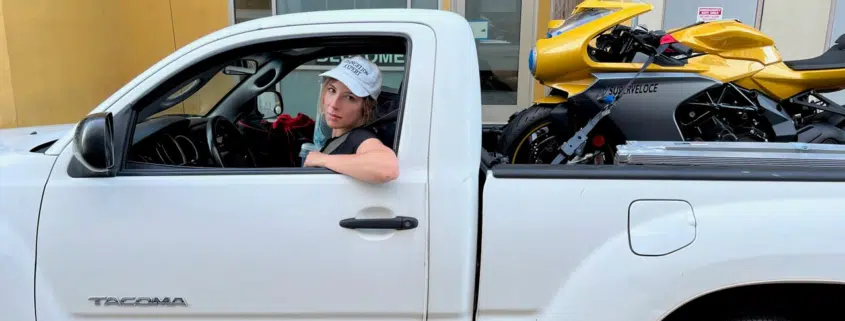
Buy a Toyota Tacoma or a full-size van. The day before the track you load up your bike and go. Simple.

If you already own a truck and have a garage, this is the best option. If you don’t, buying one just for track days is a hard sell — and in the Bay Area it’s harder than it sounds. A decent used truck or van starts around $15k, then add $2,200–$4,350+ per year for maintenance, insurance, and registration. Parking alone can run $300–$600/month if you’re renting a space in the city, and more if you’re dealing with street parking, tickets, or break-ins.

Unless you’re doing 30+ track days a year and already have the storage figured out, the numbers rarely add up.

Option 4: Hire a transport service

If none of the above fits, having someone else handle the transportation is the most sensible option.

31cats.com runs dedicated motorcycle transport in the San Francisco Bay Area, covering tracks like Thunderhill, Sonoma Raceway, Laguna Seca, Buttonwillow, and The Ridge. It’s a small operation — 1 to 3 bikes at a time — with personal, attentive service at an affordable price. Pricing starts at $240 and is designed to be a real alternative to renting or owning a truck.

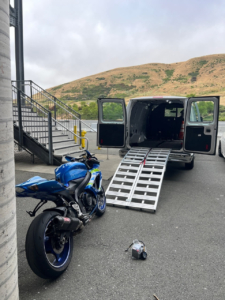
They pick up your bike from your home on a day that works for you, transport it securely in a cargo van, and return it safely after the event. You handle none of the logistics. You just show up and ride.

The Moving Moto is based in Los Angeles and covers SoCal tracks. They handle transport plus some track-side support. Contact them directly at 310-614-1739 for availability and pricing.

619 Knee Draggrz are based in San Diego and haul multiple bikes in a big rig, covering ground well outside California: COTA in Austin, the Ridge Motorsports Park in Washington, circuits in Alabama and Utah. It’s less of a transport service and more of a full program — pit-side catering, on-track coaching, mechanical support, and a race bike rental program. Pricing isn’t public and is on the higher side.

Option 5: Rent a truck or cargo van

No hitch needed. A U-Haul 10-foot box truck has a base rate of $29.95/day, but the mileage charge is where it gets expensive: $0.79–$0.99/mile on weekdays, up to $1.39/mile on weekends in California. Add fuel — these trucks get 10–12 MPG loaded, so figure 25–30 gallons for the Thunderhill round trip — plus insurance, and you’re looking at $380–$550 all-in. Cargo vans run similar numbers despite the lower base rate. Enterprise and other car rental companies sometimes have cargo vans worth comparing.

The bike stays enclosed and protected, and you don’t need a hitch. The trade-off is that a box truck is uncomfortable to drive all day, you have to return it after an already tiring track day, and you’re out $400–$550 to U-Haul plus $120 or more in gas.

31cats.com Option 6: Ride the motorcycle to the track

For some tracks and some riders, this is a perfectly reasonable call. Sonoma Raceway is 45 minutes from San Francisco. On street tires, living nearby, riding there makes sense. I have a friend who rides at 4 am from San Francisco to Thunderhill on his R3 — but he’s braver than most of us and has a lot of friends with tools, food, chairs, and canopies that he can use.

A few things worth thinking through before you commit:

Don’t run race-compound tires on the street. They don’t heat up enough at road speeds to grip properly. Fatigue is the bigger issue, a highway ride before a full day on track takes more out of you than it sounds, so plan for it. Think through the crash scenario too: if you go down at the track, your ride home is gone. Have a backup plan: a friend who can come get you, AAA roadside service for towing, or at least a way to store the bike overnight. And remember: you won’t be able to bring a chair, a cooler, or anything that makes a long day at the track comfortable. Riding home at night in cold air with a tinted visor and a tracksuit is very uncomfortable; this sport is dangerous enough without adding an exhausting ride home to the mix.

Conclusion

If you own a truck, use it. If you have a capable vehicle and no hitch, add one. If you don’t have any of that, hiring transport from 31cats.com is the most practical solution for most Bay Area riders. Riding to the track works when the distance is short, you’re on street tires, and you’ve got a plan if things go sideways.

Not to forget the Superbike-Coach track days at Thunderhill Raceway on 31/10/2026 and 11/1/2026, where Jorge Maya is offering his services. Check them out if you don’t know how to get there: 31cats.com

Forma Boots USA Is New Sponsor Of Superbike-Coach in 2026

Forma Boots USA

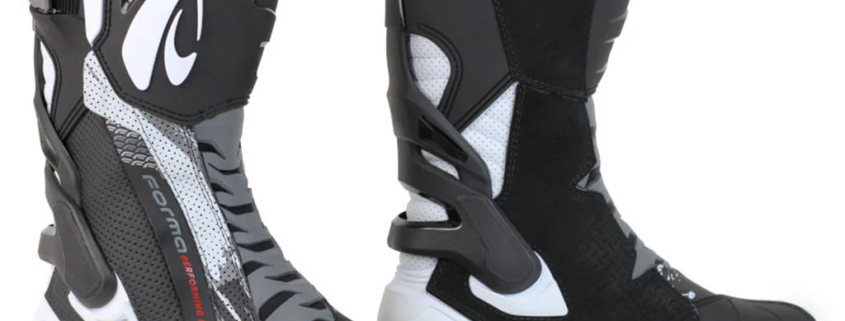
We proudly announce that Forma Boots USA has become a sponsor of the Superbike-Coach Corp. Headcoach Can Akkaya will be using their new MotoGP racing boot ‘Phantom Flow‘, perfect for the heat on California’s tracks in summer. So will be the rest of the Superbike-Coach team.

Not just that. Forma has an exclusive 25% off discount for Superbike-Coach Corp students in 2026!

Forma Boots USA, sponsor of Superbike-Coach Forma has an extreme wide range of motorcycle riding boots that fits the purpose and wallet. Akkaya: “I am using almost the entire Forma boots platform, like the ADV Tourer when I’m riding my Adventure bike on the street- or brining it off-road.”

For going ‘just around the corner’, Forma has the Urban collection, but there is much more than that. Go and explore their high quality standards and low pricing.

Christmas Present Gift Cards from Superbike-Coach

In case you still need a idea for Christmas presents. How about giving your loved ones who is into motorcycles a Superbike-Coach gift certificate and to keep them save?

Here ya go.


Motorcycles have long been synonymous with freedom, adventure, and a sense of rebellion on the open road. However, with technological advancements, electronic riding aids have become an integral part of modern motorcycles. While these aids aim to enhance safety and performance, there exists a growing debate about their impact on the riding experience. In this article, we delve into the negatives of motorcycles equipped with electronic riding aids, exploring the potential drawbacks that riders and enthusiasts need to consider.

Dependence on Technology

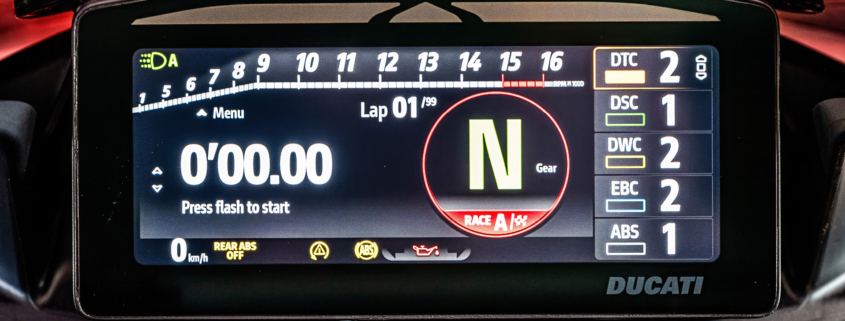
One of the primary criticisms of electronic riding aids is the growing dependence on technology. Traditionalists argue that the essence of motorcycling lies in the raw connection between the rider and the machine. Electronic aids, such as traction control, anti-lock braking systems (ABS), and electronic suspension, can create a sense of detachment by intervening in the rider’s decisions. Riders may become overly reliant on these aids, diminishing their ability to handle the motorcycle without electronic assistance.

Diminished Skill Development

Riding a motorcycle is a skill that evolves over time with practice and experience. Critics argue that electronic riding aids may hinder the development of essential riding skills. Features like automatic traction control and stability control can compensate for mistakes, preventing riders from fully grasping the nuances of throttle control and bike handling. As a result, new riders relying heavily on these aids may miss out on honing the fundamental skills needed to become proficient motorcyclists.

Increased Cost of Ownership

While electronic riding aids undoubtedly add value to the motorcycle safety landscape, they also contribute to a significant increase in the overall cost of ownership. Motorcycles equipped with advanced electronic systems often come with a higher price tag. Additionally, maintenance and repair costs can be substantially higher due to the complexity of these systems. This financial burden may deter potential riders from entering the motorcycle community, impacting the accessibility of this beloved mode of transportation.

Potential for Technical Failures

As with any technology, electronic riding aids are not immune to technical failures. Malfunctions in traction control, ABS, or electronic suspension systems can compromise rider safety. Critics argue that the potential for technical glitches introduces an element of unpredictability, raising concerns about the reliability of these electronic aids. Riders may find themselves in vulnerable situations if the technology fails to perform as intended, leading to potential accidents or loss of control.

Disconnect from the Riding Experience

Motorcycling is often celebrated for its intimate connection between the rider and the road. Electronic riding aids, however, can create a sense of detachment from the raw, unfiltered experience that enthusiasts cherish. The constant electronic interventions, such as ABS kicking in during hard braking or traction control adjusting power delivery, can dilute the visceral sensations that make motorcycling a unique and exhilarating activity. Some riders argue that this disconnect compromises the very essence of riding.

Can Akkaya MotoGP replica 'Pazzo'Complexity and Accessibility

The increasing complexity of electronic systems in modern motorcycles poses a challenge for riders, particularly those new to the sport. Learning to navigate through various settings and understanding the intricacies of electronic aids can be overwhelming. Critics suggest that this complexity may discourage potential riders, especially those who prefer a simpler, more straightforward approach to motorcycling. The accessibility of the sport may be compromised as technology becomes more integral to the riding experience.

Conclusion

While electronic riding aids undoubtedly contribute to the advancement of motorcycle safety and performance, it is crucial to acknowledge the potential negatives associated with their widespread adoption. The debate surrounding these aids reflects a broader conversation within the motorcycling community about preserving the core values of the sport. As technology continues to shape the landscape of motorcycling, finding a balance between innovation and preserving the soul of riding remains a challenge for enthusiasts, manufacturers, and riders alike.

Superbike-Coach Corp

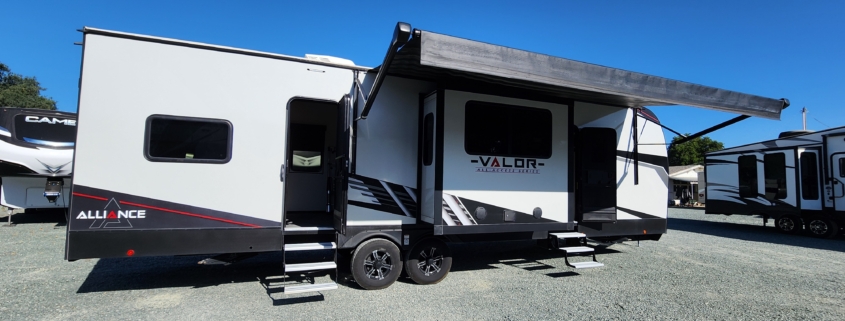
We are making huge progress with the Superbike-Coach mobile classroom. However, Tony from Wrapspec has still a view things to do and we don’t want to reveal this toy hauler before the vinyl wrap is all done. Coach is preparing for a Track Drill 1on4 at Thunderhill Raceway on the weekend, and decided to take the track classroom to the test.

That requires, to have a solution on how to transport his Panigal V4R, called ‘Pazzo‘, in the trailer to the track. His main goal is- to get rid of tie-down straps and to minimize. There are a strapless motorcycle tie-down systems out there, but they are way out of an acceptable price range as well as not practicable enough for Superbike-Coach. The one that peeked out for us is made by Moto Cinch.

Originally constructed for dirt bikes, but they also developed street and race bike versions. Since they are light weight, compact and seem to install in an blink of an eye- Coach decided to give them a shot, so here we are. The pre-work was done by Carson Pass RV in Lockeford, who installed necessary eTrack rails into the 13 foot garage of the trailer. The measurements taken from the bike is simple, and then to determine where exactly bike will be placed in that garage. Ones elocuted, the boys installed the rails right under the rear sets. The Moto Cinch kit comes with single etrack floor mounts, but we went with 2 foot long rails to stay more flexible. Not just that- we thought 14 bolts will stay more in place than only 4.

Coach had some help today from assistant coaches Chris Baird and Dean Lonskey. The boys figuring it all out during taking of this video, but please stay tuned.

Thanks for watching and leaving a comment.

https://www.carsonpassrv.com/

https://www.superbike-coach.com/

https://www.wrapspec.com/

#carsonpassrv

#motocinch

#superbikecoach

#wrapspec

This is the 5th part of the video series ‘Toy hauler travel trailer customization and transformation to a mobile track classroom’. We’ve made huge progress. The rough cleaning process is almost done and installations and upgrades are about to be done. Tony from WrapSpec came over to take measures for the full vinyl wrap. We could lay out a time schedule to get it all done in his shop in Rancho Cordova.

Please subscribe the channel to not to miss out this exciting series of videos. Thanks for watching and leaving a comment.

https://www.carsonpassrv.com/

https://www.superbike-coach.com/

https://www.wrapspec.com/

#carsonpassrv

#motochinch

#superbikecoach

This is the 2nd part of the video series ‘Toy hauler travel trailer customization and transformation to a mobile track classroom’. Since Thomas Shurtz of Carson Pass RV went on a well deserved vacation- Coach Can Akkaya has bee focusing on the first cleaning up session. The progress is slow, but on purpose. Systematically cleaning is a necessarily to manage installation and modifications.

Please subscribe the channel to not to miss out this exciting series of videos. Thanks for watching and leaving a comment.

https://www.carsonpassrv.com/

#carsonpassrv

#motochinch

#superbikecoach

#qstarz